Source eco friendly silicone pot mat for Kitchen, Oven, and Outdoor
Compare 30 listings for eco friendly silicone pot mat with varying sizes, weights, and certifications like FDA and LFGB. Buyers can evaluate options ranging from 1 to 5000 pieces minimum order quantity.
Key considerations
Products List


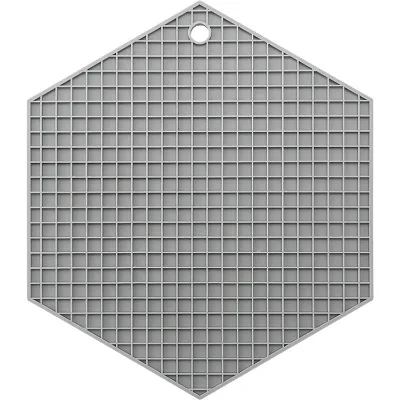


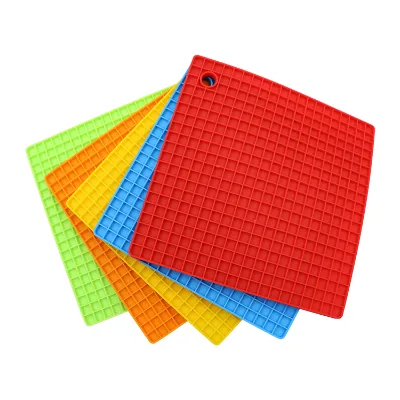


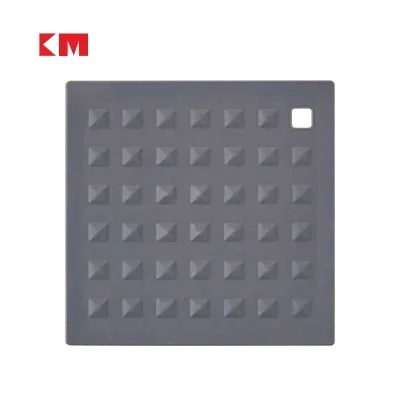


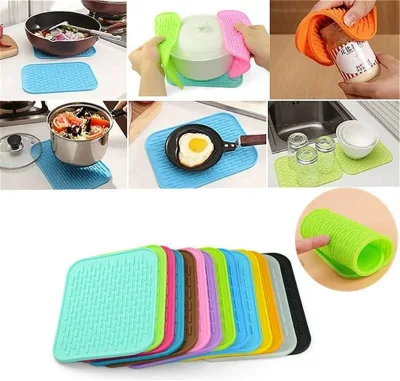


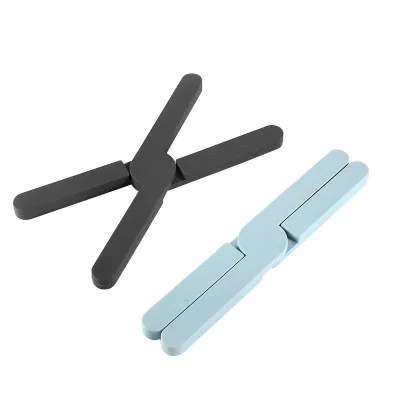
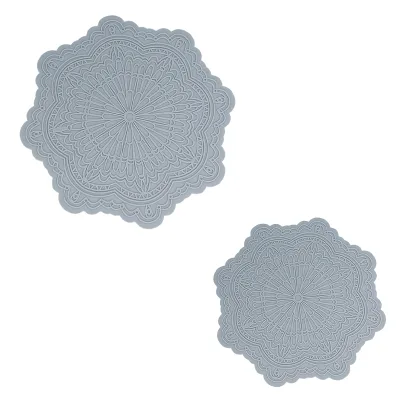

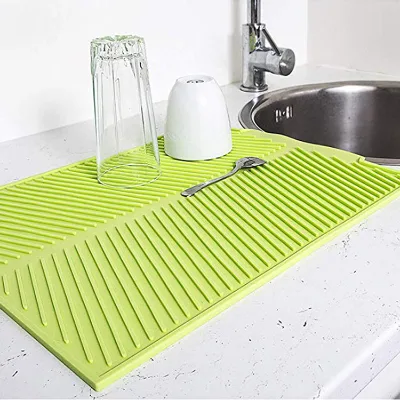

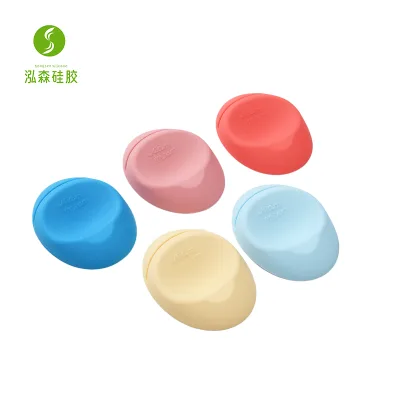


Comprehensive Sourcing Guide
Strategic Sourcing Guide for Eco-Friendly Silicone Pot Mats
Understanding Product Definitions and Core Attributes
When sourcing eco-friendly silicone pot mats, buyers must first distinguish between general cooking sets and specialized protective mats. The market offers a diverse array of products under the broad umbrella of silicone cookware, ranging from complete cooking sets to individual protective accessories. A primary observation in the current supply landscape is the variation in product classification. Some listings categorize items strictly as "Cooking Sets," while others identify them specifically as "Silicone Mats" or "Lids." For a buyer focused on pot mats, the critical distinction lies in the intended usage and physical dimensions.
The core material for these products is consistently identified as 100% food-grade silicone. This material choice is fundamental to the "eco-friendly" claim, as it implies a non-toxic, durable alternative to plastic or metal. However, the physical specifications vary significantly across different product models. For instance, specific models such as CY-019A and CY-472 exhibit distinct dimensional profiles. One observed specification lists a diameter of 18cm with a thickness of 0.8cm, weighing 68g. Another model, CY-472, presents a square format measuring 17x17cm with a thickness of 0.5cm and a weight of 60g. In contrast, larger protective mats, such as model CY-056, are designed with dimensions of 59x40cm and a substantially higher weight of 471g.
These dimensional differences dictate the application. Smaller, round or square mats with dimensions around 18cm are typically designed to sit directly under a single pot or pan to protect countertops from heat and scratches. Larger mats, exceeding 50cm in length, are often intended for broader kitchen organization, serving as baking mats or general heat shields. Buyers must verify that the product size matches their specific kitchen equipment. A mismatch in size can lead to ineffective heat protection or an inability to fit the mat under the intended cookware. Furthermore, the shape is a critical selection criterion. The supply data indicates availability in both "Square" and "Round" shapes, as well as "Custom Size" options, allowing for tailored procurement strategies based on the geometry of the pots in use.
Compliance and Certification Verification
In the B2B procurement of food-contact silicone products, compliance is not merely a marketing feature but a regulatory necessity. The supply data highlights several certifications that buyers should prioritize when evaluating potential suppliers. The most frequently observed certifications include FDA and LFGB. These standards represent rigorous testing for food safety in the United States and the European Union, respectively. Additionally, some product listings explicitly mention CE/EU certification, which is essential for market access in Europe.
However, buyers must exercise caution regarding the scope of these certifications. While the data confirms the presence of FDA, LFGB, and CE/EU certifications for specific models, it does not guarantee that every listed product in a supplier's catalog holds these credentials. For example, one product model is noted with FDA and LFGB certifications, while another carries FDA, CE/EU, and LFGB. This variation suggests that certification status may be model-specific rather than a blanket attribute of the entire supplier. Therefore, procurement teams must request valid test reports for the specific model number (e.g., CY-019A or CY-472) before placing an order.
Beyond the listed certifications, buyers should be aware of other potential standards that may apply to the product's lifecycle, such as EN71 for toy safety if the product is marketed for children's use, or ROHS for electronic components, though the latter is less relevant for pure silicone mats. The data also mentions "100% food grade silicone" as a standard, which is a critical material specification. Buyers should verify that the supplier can provide third-party laboratory test results confirming the absence of harmful fillers or heavy metals, ensuring the "eco-friendly" claim is substantiated by chemical composition analysis.
Cost Drivers and Minimum Order Quantities
The economic structure of sourcing silicone pot mats is heavily influenced by Minimum Order Quantities (MOQ) and customization requirements. The observed data reveals a wide disparity in MOQs, ranging from as low as 10 pieces to as high as 5000 pieces. This variance is directly correlated with the product's customization level and the specific model selected. For instance, standard models like CY-354 may have an MOQ of 10 pieces, making them accessible for small businesses or sample testing. Conversely, larger or more complex items, such as the 59x40cm mat (CY-056), carry an MOQ of 3000 pieces, reflecting the higher production costs and material usage involved.
Customization is a significant cost driver. The data indicates that some products offer "Available" customization, while others are listed as "Non-Customized." Customized orders typically require higher MOQs to justify the setup costs for molds and production lines. For example, a supplier offering "Custom Size" options or OEM branding (as seen with the "Brand Name: OEM" attribute) will likely impose stricter volume requirements than a supplier of standard, off-the-shelf items. The price range observed in the market spans from $0.01 to $11 per unit, a broad spectrum that reflects differences in size, weight, and complexity. A lightweight 60g mat will naturally cost less than a heavy 471g mat, but the unit price is also affected by the packaging method.
Packaging plays a subtle but important role in cost. Some products are packed in "PVC Pet or Oppbag," while others use "Bubble Bag" or "1pcs/pe bag." The choice of packaging material and the density of packing (e.g., 8pcs/ctn) affect the total shipping volume and, consequently, the landed cost. Buyers must calculate the total cost of ownership, including freight, by considering the single package size and gross weight. For example, a product with a single package size of 20x18x1 cm and a gross weight of 0.15 kg will have different logistics costs compared to a bulkier item. Understanding these variables allows buyers to negotiate more effectively and select the right balance between unit price and order volume.
Typical Applications and Usage Scenarios
The versatility of silicone pot mats makes them suitable for a wide range of applications, both indoor and outdoor. The data explicitly states that the "Usage" category includes "Indoor/Outdoor," indicating that these products are designed to withstand various environmental conditions. This durability is a key selling point for buyers targeting diverse market segments, from home kitchens to commercial catering and outdoor events.
In indoor settings, the primary function of a silicone pot mat is to protect surfaces from heat damage, scratches, and spills. The "Non-Stick" style attribute suggests that these mats are also effective in preventing food residue from adhering to the surface, simplifying cleanup. The "Modern/Fashion" style and availability of multiple colors (Black, Blue, Green, Pink, and others) allow these mats to serve a dual purpose as kitchen decor. Buyers can leverage the "Colorful" attribute to create product lines that match specific interior design trends or brand identities.
For outdoor usage, the "Durable/Portable" features highlighted in the data are crucial. Silicone's resistance to temperature fluctuations and its ease of cleaning make it ideal for camping, picnics, and outdoor cooking events. The "All Seasons" attribute further reinforces this versatility, suggesting that the product maintains its integrity regardless of the weather. Additionally, the "Disposable" attribute is listed as "Non-Disposable," emphasizing the long-term value proposition. Unlike single-use mats, these products are designed for repeated use, aligning with the "eco-friendly" ethos by reducing waste.
Supplier Evaluation and Quality Control
Evaluating suppliers for silicone pot mats requires a rigorous approach to quality control and verification of origin. The supply data indicates that products originate from various locations in China, including Zhejiang and Anhui. While the country of origin is consistent, the specific province can influence the supply chain's efficiency and the supplier's specialization. Zhejiang is known for its manufacturing hubs, while Anhui may offer different logistical advantages. Buyers should verify the "Place Of Origin" to ensure it aligns with their supply chain strategy.
Quality control should begin with the verification of the "Standard" and "Material" attributes. The claim of "100% food grade silicone" must be backed by documentation. Buyers should request certificates of analysis (CoA) and ensure that the supplier adheres to the stated certifications (FDA, LFGB, CE/EU). The "Sample" attribute, which notes "Support Customized Sample," is a valuable tool for quality assessment. Before committing to a large order, buyers should order samples to test the physical properties, such as the weight, flexibility, and heat resistance of the specific model.
Furthermore, the "Packing" and "prod_packing" attributes provide insight into the supplier's attention to detail. Whether the product is packed in a "Bubble Bag," "PVC Pet," or "Oppbag," the packaging must protect the product during transit. A supplier that uses high-quality packaging is less likely to have damaged goods upon arrival. The "Brand Name: OEM" attribute suggests that many suppliers are capable of private labeling, which is essential for buyers looking to build their own brand. However, buyers must ensure that the supplier has the capacity to maintain consistent quality across all OEM orders.
Long-Term Procurement Considerations
Sourcing eco-friendly silicone pot mats is not just a transactional activity but a strategic partnership that requires long-term planning. The "Customization" availability and "Custom Size" options indicate that the market is dynamic and responsive to changing consumer needs. Buyers should consider the scalability of their orders. As demand grows, the ability to increase order volumes without compromising quality or lead times is critical. The observed MOQ ranges suggest that suppliers are flexible, but buyers must negotiate terms that allow for growth.
Sustainability is another long-term consideration. The "eco-friendly" nature of silicone, combined with its "Non-Disposable" status, positions these products as a sustainable choice. However, buyers should also consider the end-of-life disposal of the product. While silicone is durable, it is not biodegradable. Buyers should inquire about the supplier's recycling programs or take-back initiatives to ensure the product's lifecycle aligns with their corporate sustainability goals.
Finally, the "Feature: Durable/Portable" attribute highlights the product's longevity. Buyers should focus on suppliers who can guarantee the durability of their products over time. This includes resistance to tearing, staining, and degradation from repeated washing. By prioritizing suppliers with a track record of quality and compliance, buyers can ensure a steady supply of high-performance silicone pot mats that meet the evolving demands of the market. The combination of technical specifications, certification compliance, and supplier reliability forms the foundation of a successful long-term procurement strategy.
FAQs
What certifications do eco friendly silicone pot mats typically have?
These mats typically hold FDA and LFGB certifications for food safety. Some models also include CE/EU certification for European market access. Buyers must verify these credentials for specific model numbers like CY-019A or CY-056 before ordering.
Which dimensions are available for silicone pot mats?
Available sizes range from small round mats at 18cm diameter to large rectangular mats measuring 59x40cm. Square options include 17x17cm dimensions. Custom sizes are also available to match specific cookware requirements.
Can I customize the size and branding of these mats?
Customization is available for some models, allowing for custom sizes and OEM branding. However, other products are listed as non-customized. Custom orders usually require higher minimum order quantities to cover setup costs.
What is the minimum order quantity for these silicone mats?
Minimum order quantities vary significantly from 10 pieces to 3000 pieces depending on the model. Standard items like CY-354 may start at 10 units, while larger mats like CY-056 require 3000 units. Custom orders often have higher thresholds.
How are these silicone pot mats packaged for shipping?
Packaging options include PVC Pet bags, Opp bags, bubble bags, or single PE bags. Some products are packed in cartons with 8 pieces per carton. The packaging method affects shipping volume and total logistics costs.
Where are these eco friendly silicone mats manufactured?
Products originate from manufacturing hubs in China, specifically in Zhejiang and Anhui provinces. The specific province of origin can influence supply chain efficiency and logistics planning for international buyers.